
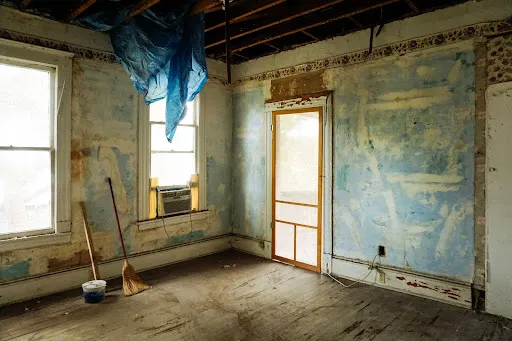
The 1950s marked a pivotal era in American home building. It was the post-war boom, a time of rapid expansion, suburbanization, and a unique blend of traditional craftsmanship meeting modern industrial materials. For deconstruction professionals, a 1950s home is often considered a “sweet spot.” These structures are old enough to contain high-quality, old-growth lumber but modern enough to have standardized dimensions that make reuse easy.
If you own a property built between 1950 and 1959 that is slated for removal, you are likely sitting on a significant inventory of harvestable assets. Demolishing such a structure is not just a waste; it is a financial loss of premium materials that simply cannot be bought at a modern lumber yard.
The Holy Grail: Old Growth Lumber
The single most valuable category in a 1950s home is the lumber. During this decade, builders were still sourcing wood from mature forests. The 2x4s and 2x10s behind the drywall in a 1950s ranch are vastly superior to the “whitewood” sold today.
- Density: The wood is denser, harder, and more rot-resistant.
- Grain: Tighter growth rings indicate strength and stability.
- Species: You will often find Douglas Fir, Redwood, or high-grade Yellow Pine that is clean, straight, and structurally sound.
When these homes are deconstructed, this lumber is carefully denailed and bundled. Its value often exceeds the price of new lumber because of its structural superiority. This is a major factor when calculating the fair market value of reclaimed lumber vs new.
Hardwood Flooring
By the 1950s, wall-to-wall carpeting was becoming popular, but it was often laid over high-quality hardwood floors. It is very common to peel back a carpet in a 1955 house and find pristine Red Oak or White Oak flooring underneath.
Because these floors were often protected by rugs or carpet for decades, they have plenty of “meat” left for sanding and refinishing. Salvaging tongue-and-groove flooring is labor-intensive, but the market demand for vintage oak flooring is consistently high.
Mid-Century Fixtures and Millwork
The aesthetic of the 1950s—Mid-Century Modern—is currently enjoying a massive revival. Items that might have looked “dated” twenty years ago are now highly sought after by designers and retro-renovators.
Common High-Value Architectural Salvage:
- Solid Wood Doors: Heavy, solid-core birch or mahogany slab doors.
- Cabinetry: Steel kitchen cabinets (very popular in the 50s) or solid wood cabinetry built on-site.
- Lighting: Atomic-age light fixtures, starburst chandeliers, and original sconces.
- Bathroom Fixtures: Cast iron tubs and colorful sinks (mint green, mamie pink) are niche items but have a dedicated buyer base.
Metals and Wiring
While not as glamorous as architectural salvage, the scrap metal value in a 1950s home is substantial. These homes were often plumbed with heavy copper piping and wired with copper romex.
- Copper: Pipes and wiring.
- Cast Iron: Plumbing stacks and bathtubs.
- Aluminum: Windows and siding (though 1950s aluminum windows are rarely reused, they have scrap value).
What Is Generally NOT Salvaged?
Not everything from 1950 is gold. There are materials that are typically hazardous or obsolete:
- Insulation: Old fiberglass or rock wool is usually disposed of.
- Asbestos: 9×9 floor tiles, pipe wrap, and certain siding types often contain asbestos and require professional abatement before successful deconstruction projects can commence.
- Single-Pane Windows: unless they have unique architectural merit, they generally don’t meet modern energy codes.
The Donation Potential
Because the material quality in 1950s homes is so high, they are prime candidates for the IRS tax deduction strategy. Non-profits are eager to accept old-growth framing lumber because it sells quickly in their retail outlets. This high appraisal value can significantly offset the cost of the project.
Before tearing down a 1950s structure, it is vital to have it assessed. You can review resources and guides to understand how to inventory your specific property.
Conclusion
A 1950s home is a bridge between the old world of craftsmanship and the new world of standardization. When you choose to deconstruct rather than demolish, you are preserving a resource—specifically the old-growth timber—that will literally never grow back in our lifetime. Whether for tax benefits or environmental stewardship, these homes deserve to be unbuilt, not crushed.For those interested in the architectural history of this era, the National Trust for Historic Preservation offers insights into why these materials matter.


