When you decide to deconstruct a property and donate the materials to a non-profit, you are engaging in a sophisticated tax strategy. The financial viability of the entire project often hinges on one specific number: the Fair Market Value (FMV) of the donation.
This number determines the size of your tax deduction. But who decides what that number is? It is not you, it is not the contractor, and it is not the non-profit. It is the Qualified Appraiser.
Hiring the right professional for this role is the single most important compliance step in the IRS Section 170 tax deduction process. Getting it wrong doesn’t just lower your deduction; it can disqualify it entirely.
What is a “Qualified Appraiser”?
The IRS has a very specific definition of a “Qualified Appraiser” outlined in their regulations. It is not enough for someone to be a “building expert” or a “real estate agent.”
To meet the IRS standard, the individual must:
- Designation: Have earned an appraisal designation from a recognized professional appraiser organization.
- Education: Have demonstrated verifiable education and experience in valuing the specific type of property being valued. In this case, used building materials.
- Standards: Regularly perform appraisals for which they receive compensation and follow the Uniform Standards of Professional Appraisal Practice (USPAP).
The Conflict of Interest Trap
One of the most common pitfalls for property owners is the “all-in-one” offer. You might find a deconstruction contractor who says, “I’ll take the building down, donate it for you, and write you a letter saying it was worth $150,000.”
Run away.
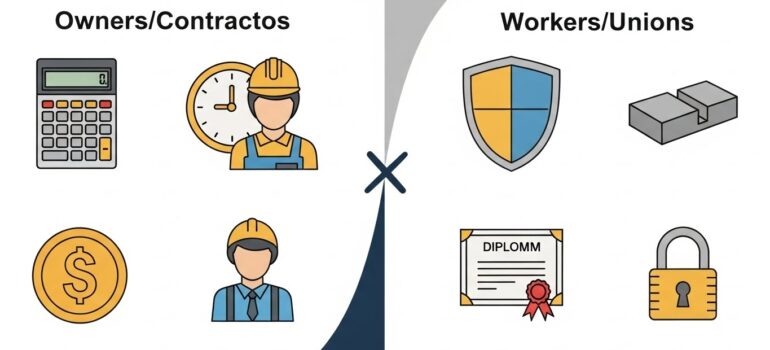
The IRS strictly forbids the donor, the donee (non-profit), or the party to the transaction (the contractor) from acting as the appraiser. This is a massive conflict of interest. The appraiser must be an independent third party who has no financial stake in the deconstruction contract.
If your contractor attempts to value the materials, the IRS will almost certainly disallow the deduction upon audit. You need a distinct separation of church and state: one company for the labor, one independent professional for the valuation.
The Appraisal Process: What to Expect
When you hire a qualified appraiser for a deconstruction project, the workflow generally follows the appraisal execution steps:
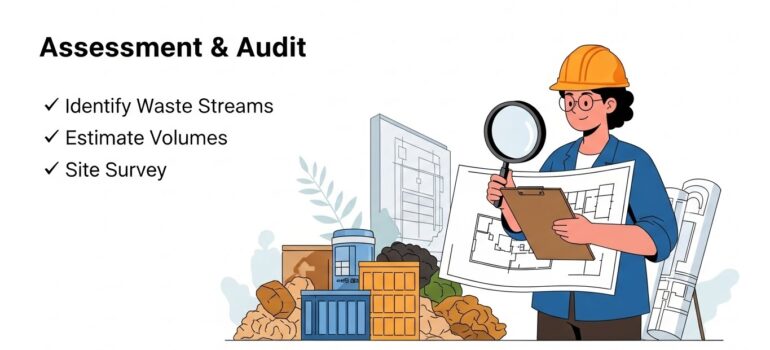
- Pre-Deconstruction Inspection: The appraiser must visit the site before work begins. They need to see the materials in situ to verify their condition and quantity.
- Inventory Analysis: They will create a detailed line-item list of salvageable materials (oak flooring, copper piping, dimensional lumber, high-end fixtures).
- Valuation Methodology: They will use market data—comparable sales of similar used materials—to establish Fair Market Value. They cannot use “new construction” prices for used goods.
- Final Report: You will receive a comprehensive report (often 50+ pages) that meets USPAP standards.
Signing IRS Form 8283
The ultimate deliverable is the signature on IRS Form 8283. The appraiser must sign Section B of this form, declaring under penalty of perjury that the valuation is accurate.
- Note: If the appraiser is not willing to sign the form, their report is useless for your tax return.
Red Flags to Avoid
When vetting an appraiser, ask these questions:
- “Have you ever been disqualified by the IRS?”
- “Do you follow USPAP standards?”
- “Do you have a financial relationship with the deconstruction contractor?”
If the answer to the last question is “yes,” or if they seem casual about the documentation, look elsewhere.
The Cost vs. The Benefit
A high-quality, IRS-compliant appraisal is not cheap. It typically costs several thousand dollars. However, considering it is substantiating a deduction that could be worth $100,000 or more, it is a necessary investment. It is your insurance policy against an audit.
For property owners utilizing the Deconstruction 4-to-1 Donation Benefit Program, the appraisal is the keystone that holds the financial structure together.
Conclusion
The IRS is happy to grant deductions for charitable contributions, but they demand proof. The Qualified Appraisal is that proof. By hiring a credentialed, independent professional, you ensure that your good deed—saving materials from the landfill—is rewarded with the tax savings you deserve.For more technical details on valuation requirements, you can refer to IRS Publication 561, determining the Value of Donated Property.