
Speed
2 to 5 days for an average home.
Cost & Timeline
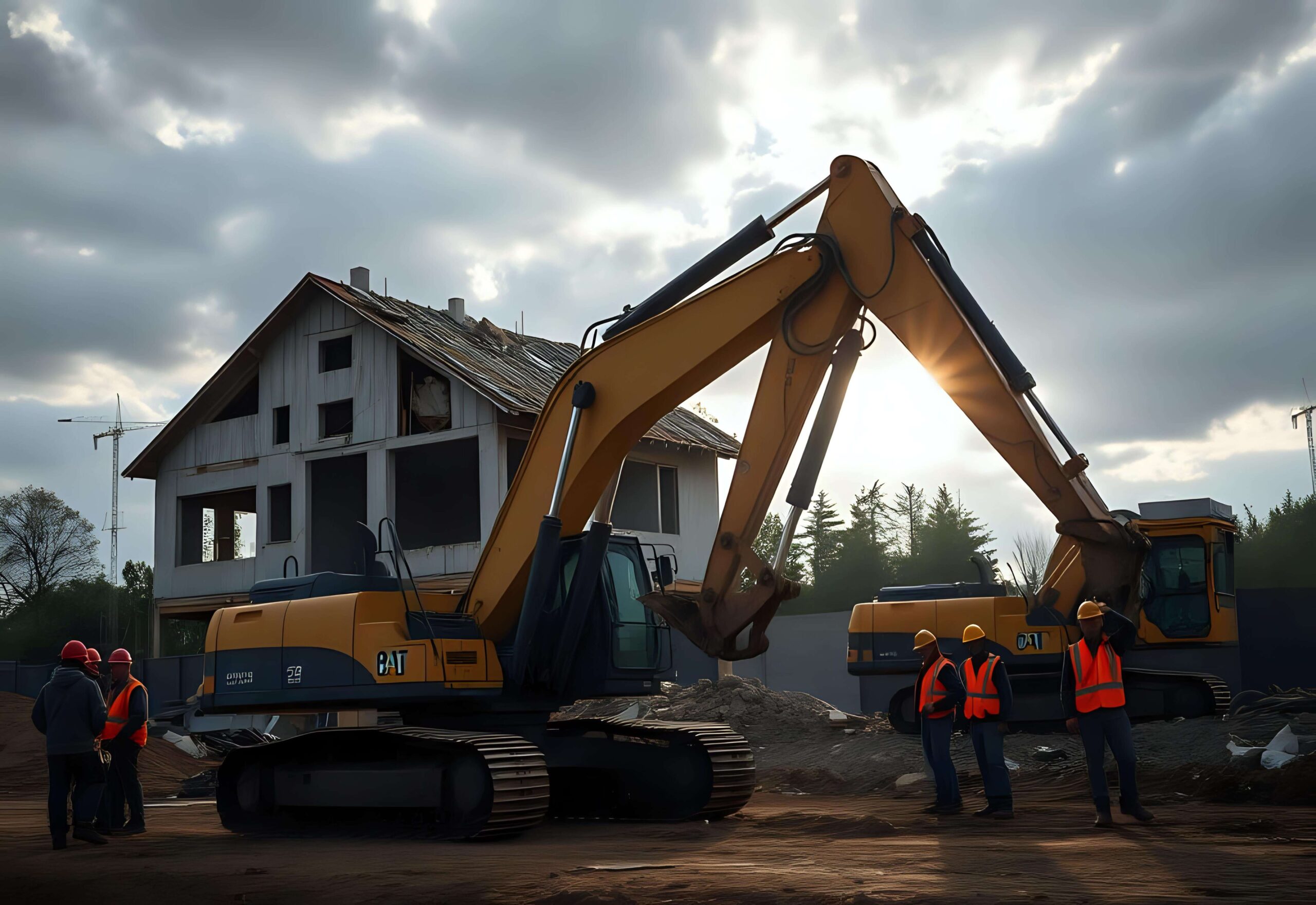
The wrecking ball is fast and loud, but the modern development calculation is about net financial outcome after tax incentives and asset recovery — not just the invoice for site clearance.
Traditional Demolition
If speed is the only variable that matters — a loan maturing next week, or a hazard requiring immediate abatement — demolition is the tool for the job. But this speed comes with a hidden cost: total destruction of value. Every board foot of lumber, every copper pipe, and every architectural fixture is turned into liability (trash) rather than an asset.
2 to 5 days for an average home.
Low. It relies mostly on heavy machinery.
High. You pay tipping fees for every ton of waste dumped.
The Methodical Alternative
Instead of crushing the building, crews unbuild it, salvaging materials for reuse. This process requires skilled labor and takes significantly longer. A deconstruction bid can be 2x or 3x higher than a demolition bid — but real estate finance is rarely that simple.
10 to 14 days for a standard home (varies by complexity).
High. It creates jobs rather than renting machines.
Low. Up to 90% of materials are diverted from the landfill.
The Financial Equalizer
When a building is deconstructed, the salvaged materials are donated to a non-profit organization. Because these materials have a Fair Market Value, this donation generates a substantial tax deduction for the property owner under IRS Section 170.
Cost is $15,000. Net cost is $15,000. Value recovered is $0.
Cost is $35,000. The appraised value of donated materials is $150,000.
If the owner is in a high tax bracket (e.g., 37% Federal + State), that $150,000 deduction could equal roughly $55,000+ in actual cash savings on their tax bill.
The tax savings cover the $35,000 cost, and the owner still pockets the difference.
The Bottom Line
$15K
Demolition cost, $0 value recovered
$35K
Deconstruction cost
$150K
Appraised donated material value
$55K+
Potential tax savings on the bill
Timeline Factors
While deconstruction takes longer, it doesn't have to derail your development schedule. The key is integrating the deconstruction phase into the pre-development timeline while you wait for permits, drawings, or financing.
A wood-framed house from the 1950s is easier to salvage than a brick-and-concrete structure.
Asbestos or lead abatement must happen before either demolition or deconstruction.
Can crews easily load trucks, or is the site constrained?
Risks & Considerations
Deconstruction isn't a 'set it and forget it' solution. You need a specific commercial deconstruction waste management plan to meet local municipal diversion mandates. The IRS also requires a Qualified Appraisal to substantiate the value of donated materials — using a contractor who doesn't understand the documentation requirements can put your deduction at risk.
If your goal is to reduce the net cost of site preparation — potentially turning a cost center into a profit center — deconstruction is the superior strategy. Let DDP walk you through the numbers for your project.
Compare Your Project