
Imagine a building that doesn’t just suck power from the grid, but talks to it. A building that knows when the sun is shining, when the wind is blowing, and when electricity is most expensive. A building that can act like a battery, storing energy when it’s cheap and releasing it when the grid is stressed.
This is not science fiction. It is a Grid-Interactive Efficient Building (GEB), and it represents the biggest leap in building technology since the invention of HVAC.
As we transition to a renewable energy grid, the intermittency of solar and wind power creates a challenge. The sun doesn’t always shine when we turn on the AC. GEBs are the solution to this mismatch.
What Makes a Building “Grid-Interactive”?
A GEB is defined by four key characteristics:
- Efficient: It creates a low baseline of energy use through insulation and high-performance equipment.
- Connected: It has two-way communication with the utility grid.
- Smart: Analytics software optimizes operations in real-time.
- Flexible: It can shift its energy load (Demand Response) without disrupting the occupants.
Benefit 1: Massive Cost Reductions
For building owners, the primary motivator is financial. Most commercial electricity bills are split into “usage” and “demand charges.” Demand charges are based on your highest 15 minutes of power use in a month. If you turn on all your chillers at 2:00 PM on a hot Tuesday, your bill skyrockets.
A GEB anticipates this. It might “pre-cool” the building at 10:00 AM when rates are low, and then coast through the afternoon peak, slashing those demand charges.
Benefit 2: Grid Reliability and Resilience
We have all seen the headlines about rolling blackouts during heatwaves. This happens when demand exceeds supply. GEBs act as a “Virtual Power Plant.” Instead of the utility turning on a dirty, expensive coal peaker plant, they can signal 500 GEBs to slightly lower their energy use.
This “load shedding” prevents blackouts and stabilizes the grid. In some regions, utilities actually pay building owners for this service.
Benefit 3: Unlocking Carbon Goals
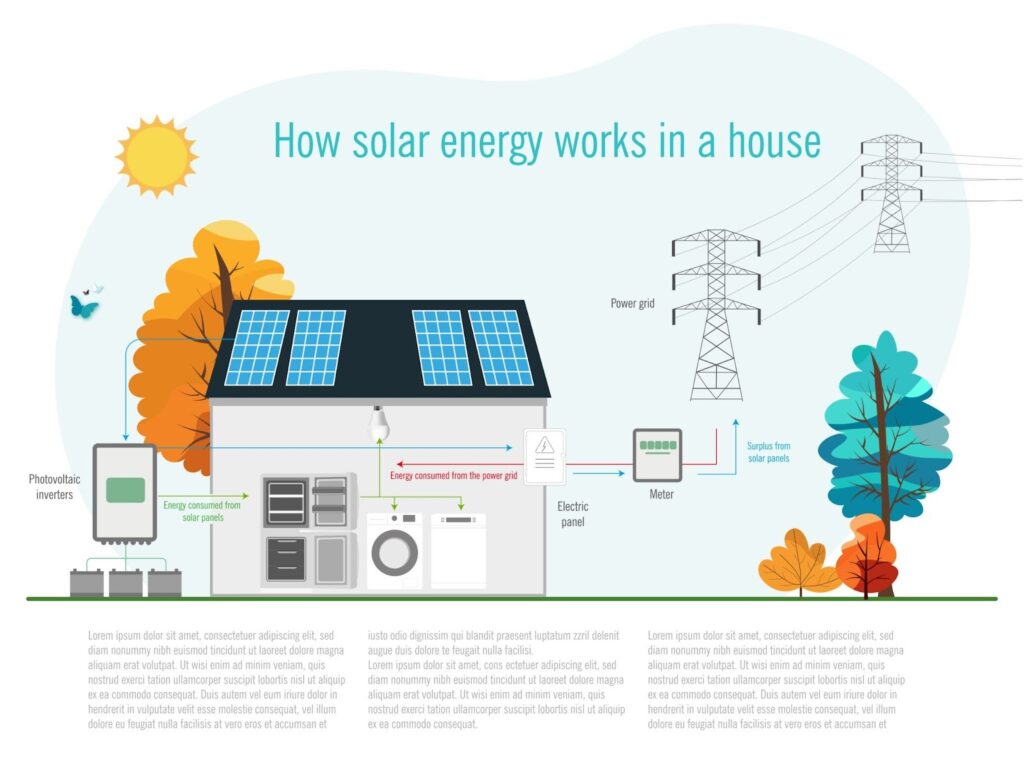
Real estate has a massive carbon footprint. While embodied carbon addresses the construction phase, GEBs address the operational phase. By aligning energy use with the availability of renewable energy (e.g., heating water when the solar panels are at peak production), GEBs maximize the use of clean energy and minimize reliance on fossil fuels.
Technologies Powering GEBs
You don’t need a futuristic skyscraper to have a GEB. Existing buildings can be retrofitted with:
- Smart Thermostats & Sensors: To track occupancy and temperature.
- Battery Storage: To store cheap power for expensive times.
- EV Charging Stations: Smart chargers that can pause charging when the grid is strained.
Integrating these technologies often requires a sophisticated development plan that views the building as a system, not just a shelter.
The Role of C-PACE Financing
Upgrading a building to be grid-interactive requires capital. This is where C-PACE financing (Commercial Property Assessed Clean Energy) comes into play. It allows owners to finance these upgrades with no money down, repaying the loan through a property tax assessment. Because the energy savings usually outweigh the loan payments, the project can be cash-flow positive from day one.
Conclusion
Grid-Interactive Efficient Buildings are the bridge between the real estate sector and the clean energy transition. They turn buildings from passive consumers into active participants in the energy market. For developers and owners, the message is clear: the buildings of the future will be valued not just by their square footage, but by their intelligence.
To explore the technical roadmap for this technology, the Department of Energy’s GEB Initiative offers comprehensive resources.