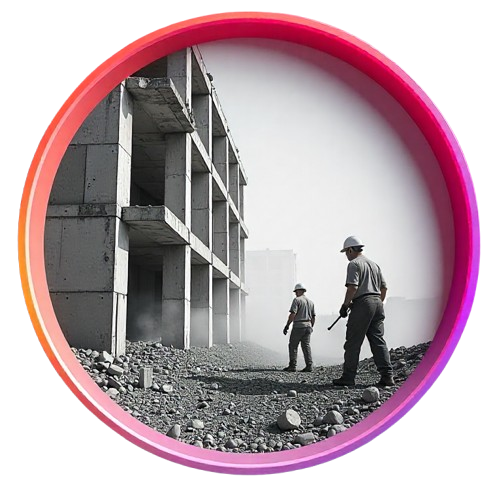


Deconstruction-Based Donation
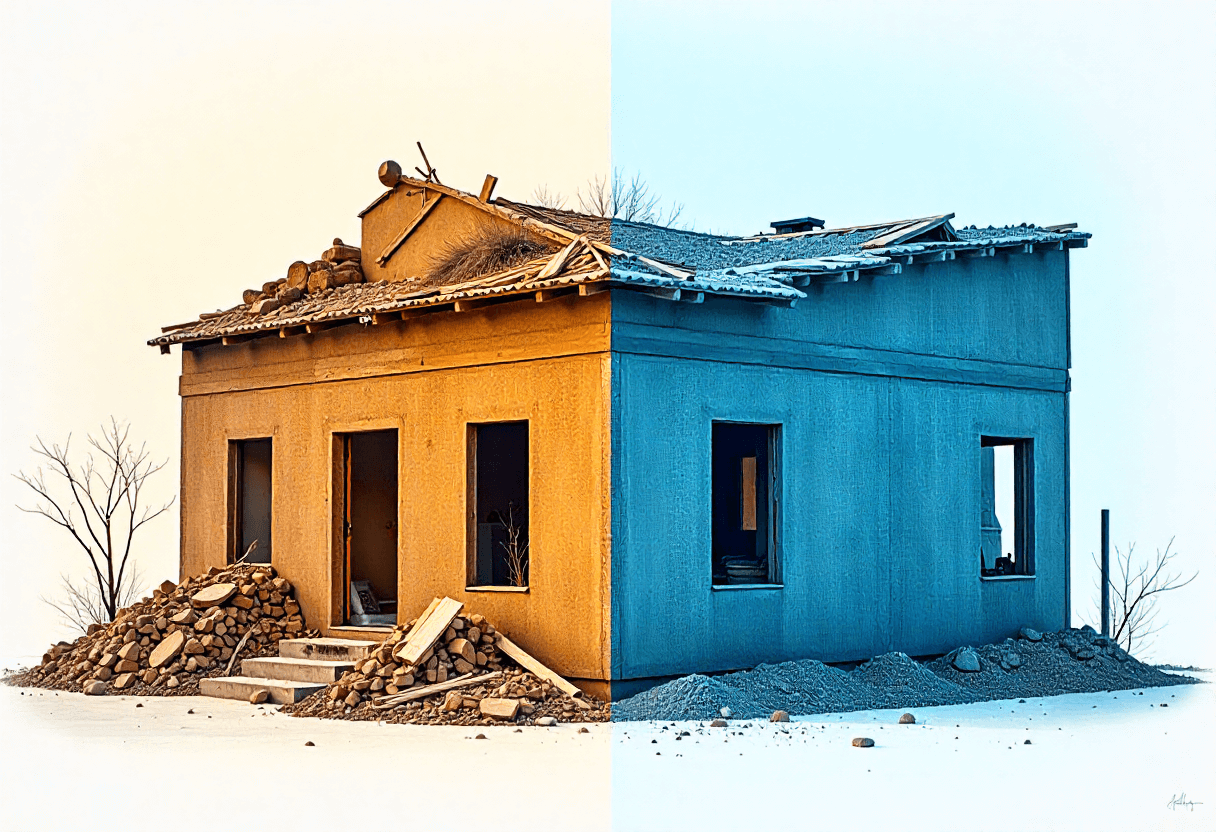
Salvage and donate usable building materials for IRS-compliant, non-cash charitable deductions.
Learn more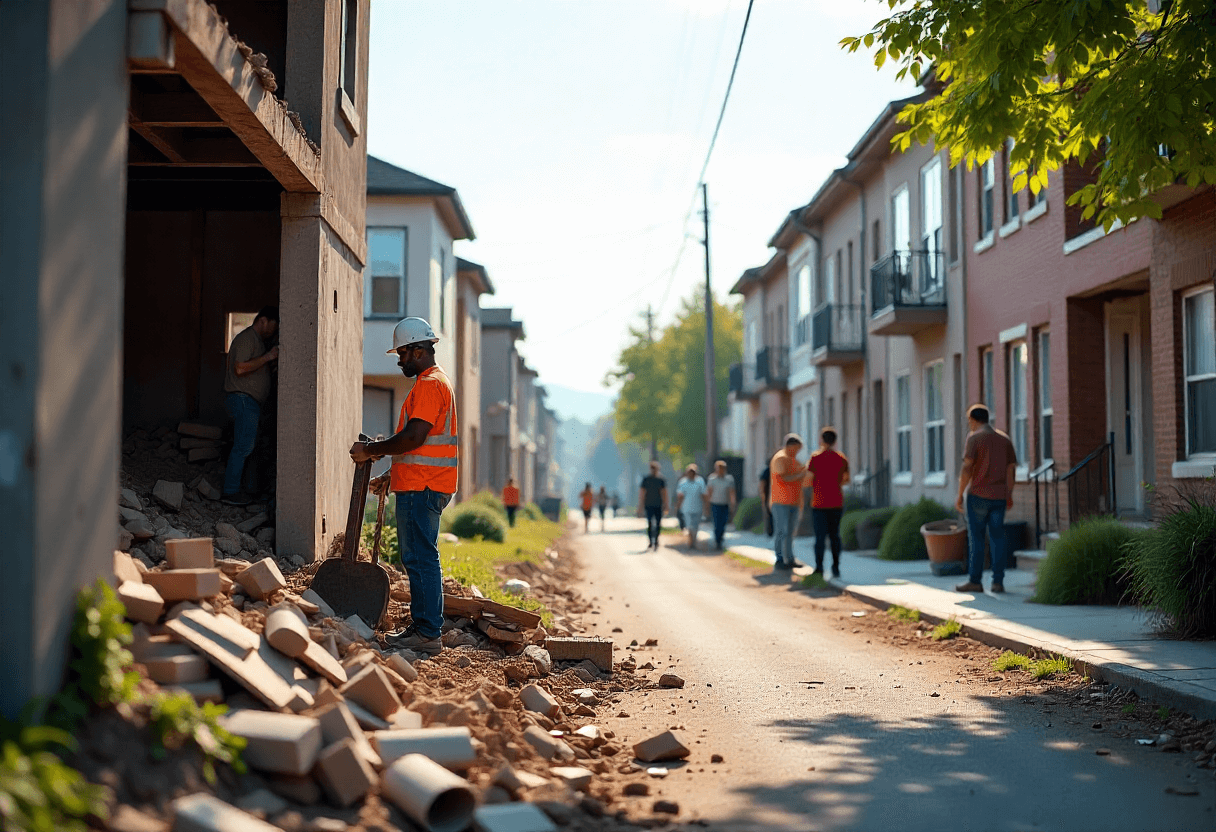
Transforming Buildings Into Community Wealth
DDP Services turns property tear-downs into tax-advantaged donations that create jobs, support nonprofits, and build sustainable communities.

4x
Tax deduction
4-to-1 Federal Tax Deduction Program
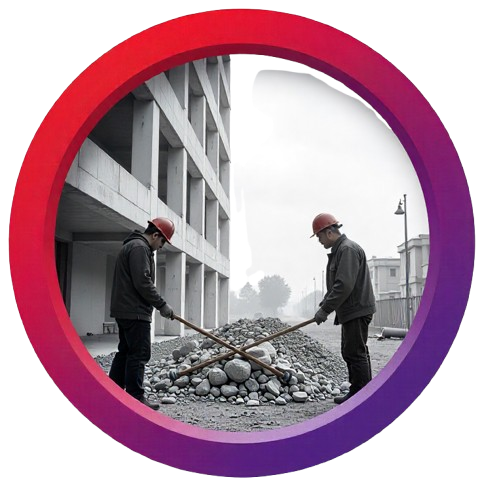
DDP acquires vacant structures across the U.S. on your behalf, then professionally deconstructs and donates recovered building materials as non-cash charitable contributions — unlocking a substantial 4-to-1 Federal Tax Deduction.
We transform demolition costs into tax assets while reducing environmental waste through our IRS-compliant Donation Benefit Services Program (DBSP).
View 4-to-1 Program DetailsDDP Service Offerings
Through development, finance, and entertainment solutions.
Salvage and donate usable building materials for IRS-compliant, non-cash charitable deductions.
Learn more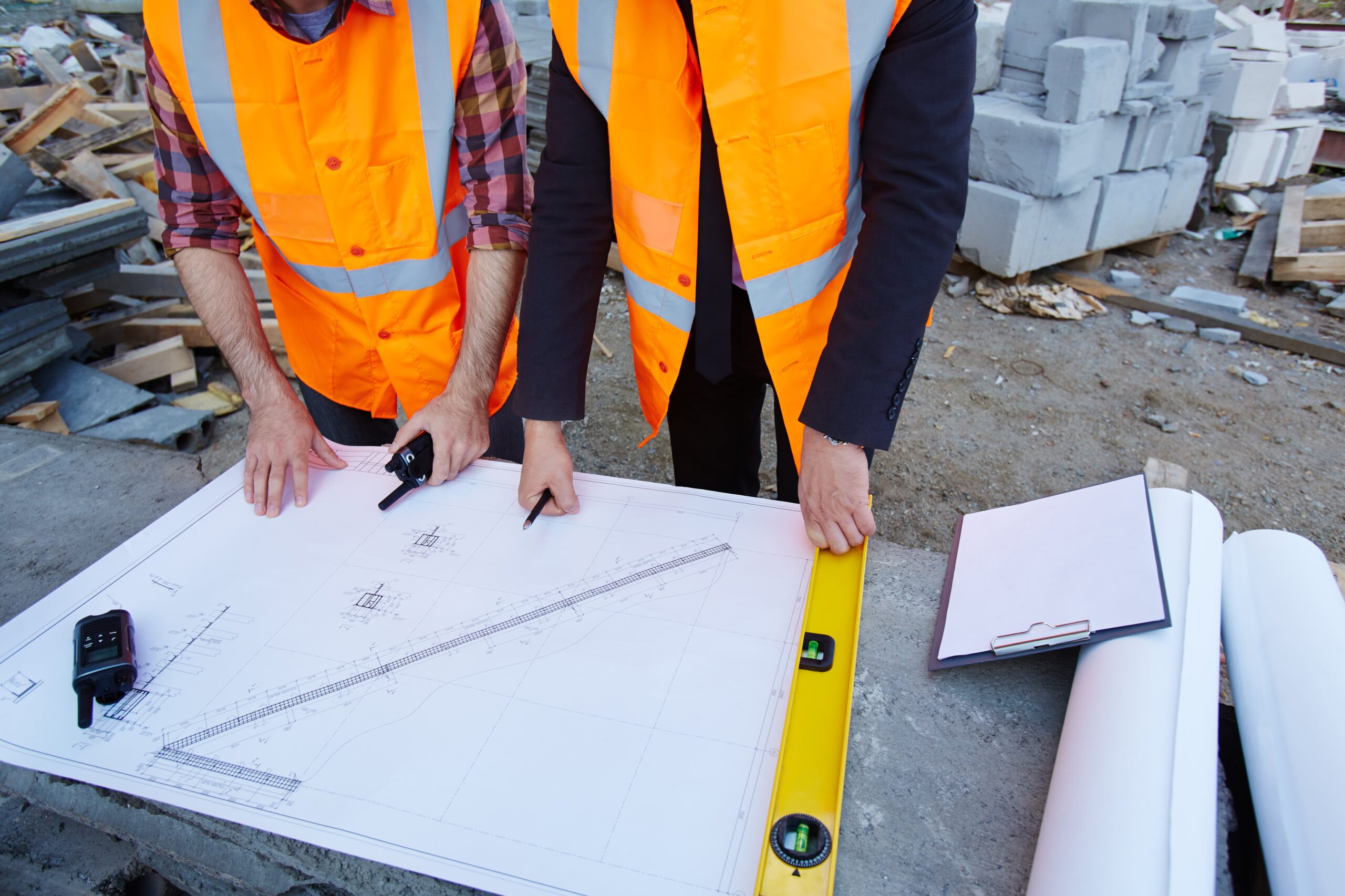
Redevelop sites into affordable housing, mixed-use districts, and Zero-Net-Energy communities.
Learn more
Film, TV, music, and animation projects that drive local revenue and revitalization.
Learn more
PACE financing, mezzanine finance, hedge fund consulting, and PPM structuring.
Learn more
Project labor agreements, WIOA program consulting, project auditing, and skilled trades training.
Learn more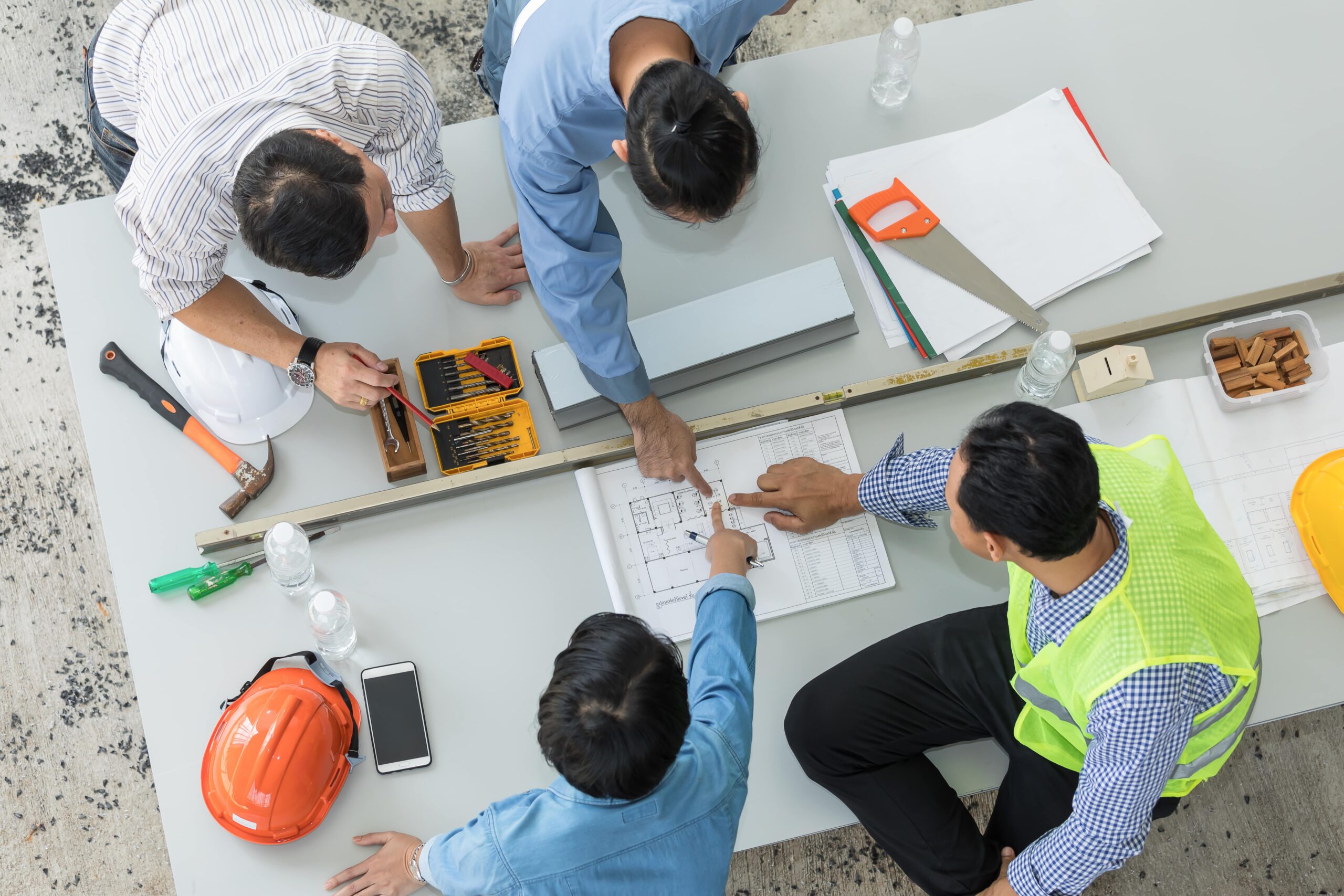
Long-standing programs supporting municipalities, nonprofits, and repeat development partners.
Learn more
Appraisals, IRS Form 8283, compliance documentation, logistics, and audit protection.
Learn more25+
Years working experience
Who We Are at DDP
At DDP, we believe that every teardown can become a transformation. Through our innovative Deconstruction Benefit Services Program (DBSP), we help property owners, developers, and municipalities turn building removals into IRS-compliant donations, workforce development, and long-term community value.
We are a national infrastructure partner with boots-on-the-ground relationships — blending finance, labor, and sustainability to create new life where old buildings once stood.
Why Choose Us

Transform Property Projects into Tax Benefits, Community Support, and Sustainability
Use our Deconstruction Benefit Services Program (DBSP) to transform your demo project into a tax-advantaged, IRS-compliant donation — while supporting your community.
See How It WorksWe partner with nonprofits, cities, and workforce programs to turn your old materials into real value — funding housing, training skilled labor, and building greener infrastructure.
Explore Community BenefitsWhether you're a homeowner, developer, or city official, we handle everything from appraisal to delivery. Schedule a consultation and see if your project qualifies.
Get Started NowContact Us Today
Support Email
info@ddpcorporation.comQuick Contact
1+(888) 606-8222Mailing Address
6 Cardinal Way Ste 900, St. Louis, MO 63102
Your Questions, Answered by DDP
DBSP stands for Deconstruction Benefit Services Program, a system that helps property owners turn deconstruction projects into IRS-compliant, non-cash charitable donations. Instead of demolishing, you donate usable materials, get them appraised, and receive a potential tax deduction — all while supporting your community.
Films & Dramas by DDP Media & Entertainment
Through feature films and television dramas.

Feature Film

Feature Film

Feature Film
Animation (IMDb)

Television (IMDb)

Television (IMDb)
Innovating Across Development, Finance, and Entertainment
“Working with Deconstruction Development Partners was a seamless experience. Their 4-to-1 Donation Program saved us thousands in taxes, and the process was completely transparent and IRS-compliant. I highly recommend them to any property owner planning a teardown.”
“DDP made our teardown project stress-free. The team handled everything — from appraisals to donation receipts — and we were able to make a real difference by supporting Habitat for Humanity. A perfect balance of financial and social value.”
“As a nonprofit partner, we've received high-quality materials through DDP's program, which directly support our affordable housing projects. Their work benefits families and communities while reducing waste.”
“The professionalism and expertise of Deconstruction Development Partners are unmatched. They provided complete documentation, ensured compliance, and delivered on every promise. A trustworthy partner in redevelopment.”
Our Strategic Partners